Baltic Sea Monitoring
Baltic Sea Long-term Observation Programme
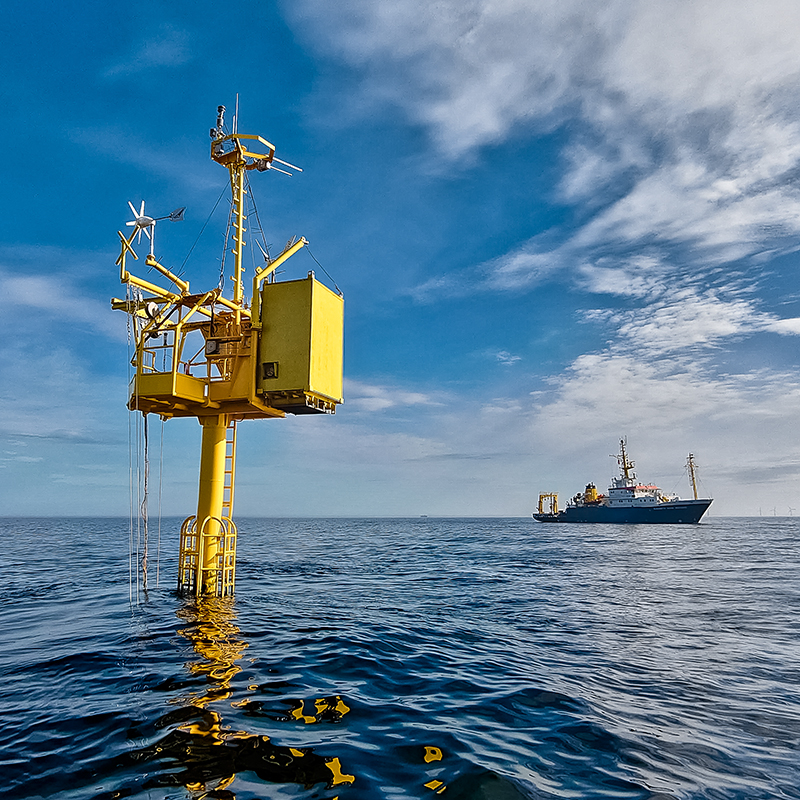
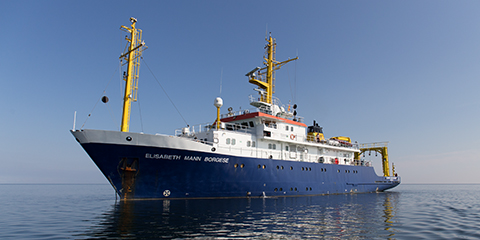
The Baltic Sea long-term monitoring programme with its five annual ship expeditions in the Baltic Sea is an integral part of the IOW research programme (2024-2033), in particular of the research area „Coastal Seas in Transition – Present, Past and Future Perspectives“. It serves to collect long-term data on the variability of the hydrographic, chemical and biological environment and its seasonal variations from the western Baltic Sea to the central Baltic Sea and northern regions. The density of the station network is determined by the requirements of oceanographic investigations of the dynamics of water exchange and Baltic Sea circulation. Chemical and biological analyses in individual Baltic Sea basins are limited to selected key stations. In addition, permanent measuring stations are also operated in the MARNET measuring network, which add to the spatial patterns with high temporal resolution, as do BGC-Argo Floats deployed and re-collected during the cruises.
Our long-term monitoring programme has been continously maintaining time series at key stations since 1969. The results are the necessary basis for researching the natural variability of the ecosystem of the Baltic Sea and for assessing the state of the environment as well as the impacts of human activities, and are therefore indispensable for fulfilling the IOW’s foundation mandate. All data obtained is available to researchers and the general public in the databases maintained by the institute (IOWDB), the Federal Environment Agency (MUDAB), and, at international level, ICES/Helcom. The data support the cooperation in the Baltic Sea region and environmental policy assessments of the state of the Baltic Sea ecosystem. On behalf of the Federal Maritime and Hydrographic Agency Hamburg and Rostock (BSH), the measurement programme provides Germany’s contribution to monitoring the marine environment of the Baltic Sea within the framework of the Helsinki Convention (HELCOM).