
S2B Lead
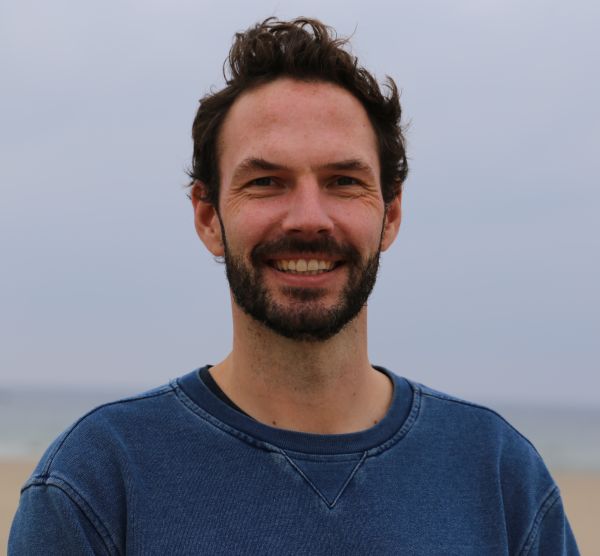 |
My research operates at the interface of biophysics, microbiology, and biogeochemistry, aiming to understand how physical transport processes interact with microbial activity to regulate carbon and nutrient transformations in marine systems. I combine numerical modeling, in situ observations using self-developed platforms such as the benthic observatory LanceALot and the S2B Lander, and controlled laboratory experiments in flow-through reactors and microfluidic systems to mechanistically resolve these processes across scales. A central focus of my work is carbon and nitrogen cycling in porous media, including marine aggregates and coastal sediments. | |
| Dr. Soeren Ahmerkamp | Marine Biophysics und Biogeochemistry | |
|
|
Development of new technologies and approaches to observe complex, interdisciplinary processes from the coast to the deep ocean. | |
| Dr. Daniel Carlson | Physical Oceanographer, Remote Sensing and Marine Technology | |
 ©Rövensthal ©Rövensthal |
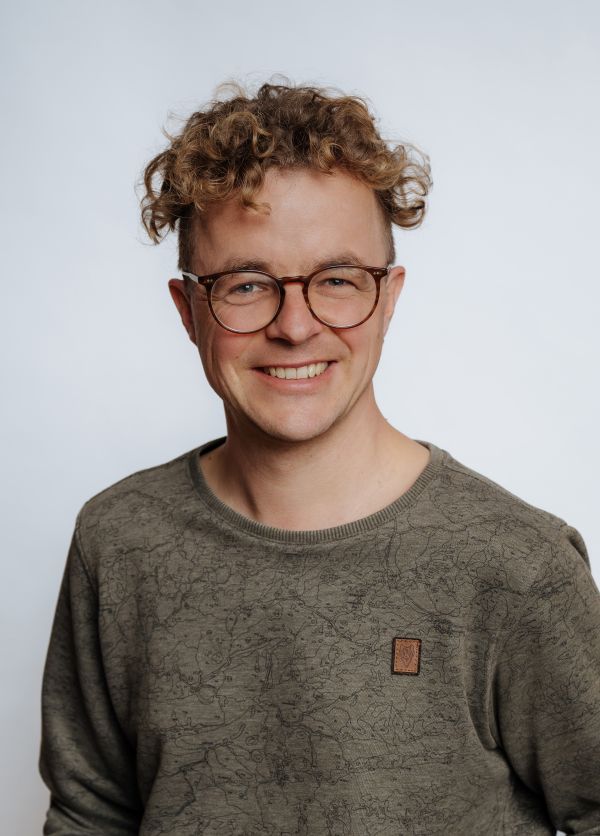
I investigate marine geologic processes and their interplay with climate and anthropogenic stressors. One of the central topics is the integrity of the Baltic seafloor in the Anthropocene. To derive information from the seafloor I use hydroacoustic data in conjunction with visual observations and sedimentary and geochemical archives. | |
| Dr. Jacob Geersen | Marine Geologist |
S2B Scientists
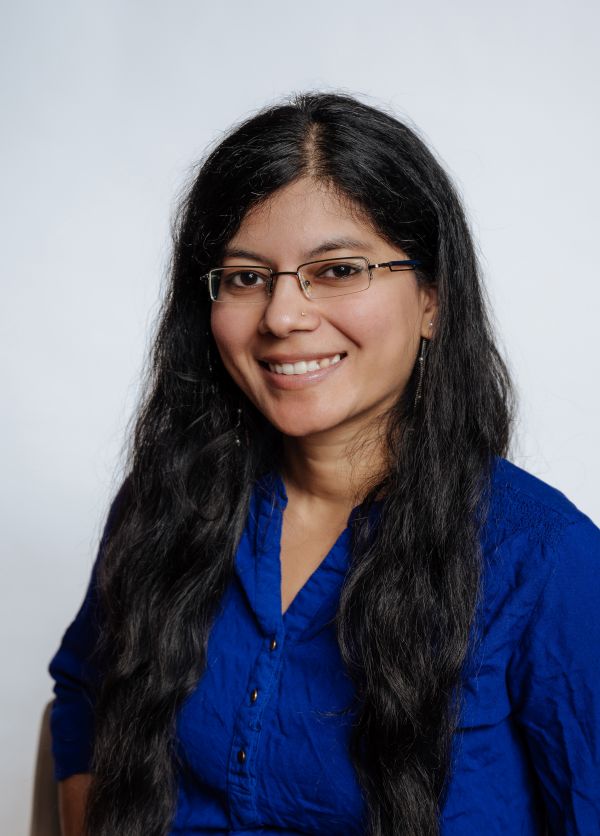 |
Theoretical Oceanography, Internal Waves, Nonlinear Dynamics, Coastal Upwelling Dynamics, Balanced Flows, Eddy-Wave Interactions, Wave-Wave Interactions, Instabilities, Geophysical Fluid Dynamics, Multiscale Modelling, Ventilation Pathways, Lagrangian Tracking, Machine Learning | |
| Dr. Manita Chouksey | Physical Oceanographer | |
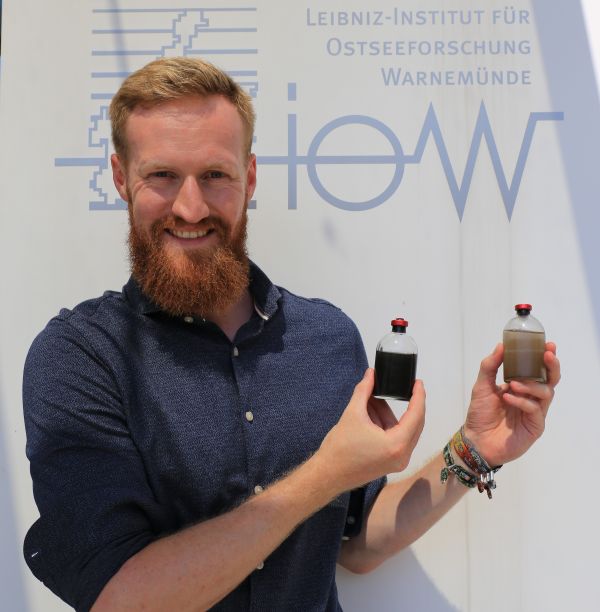 |
I study how microbial activity shapes element cycling in marine sediments and redox stratified water columns. Within the S2B, my work focuses on phosphorus dynamics at the sediment/water interface during short term and seasonal hypoxia in coastal environments of the German Baltic Sea. To investigate the underlying processes, I combine geochemical analyses, autonomous phosphate sensing, laboratory experiments, microbial cultivation, and molecular approaches.
|
|
| Dr. Jan Henkel | Marine Geomicrobiologist | |
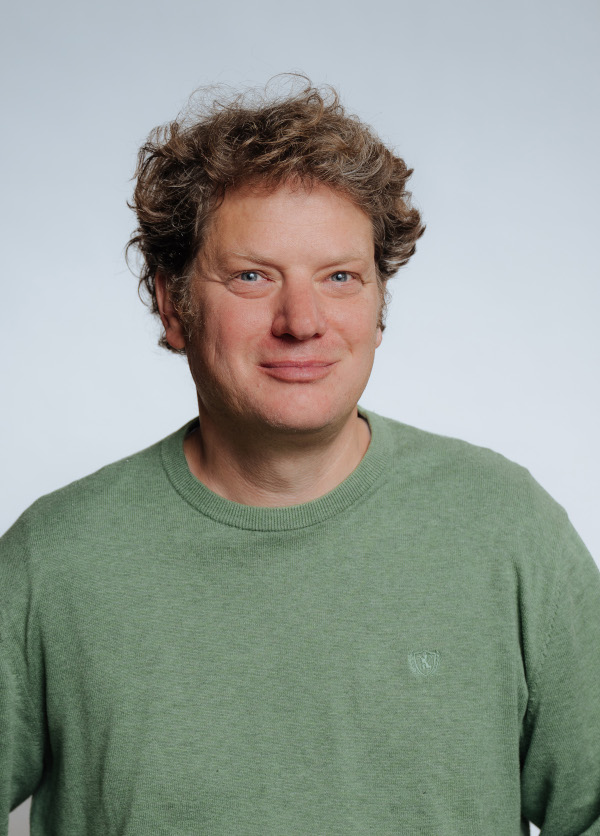 |
Interplay of coastal wave-current dynamics and stratification. Role of physical transport and mixing processes for biogeochemical cycles (oxygen, nutrients, and particles) in shallow-water systems. |
|
| Dr. Peter Holtermann | Physical Oceanographer, Physical transport & mixing, Field measurements | |
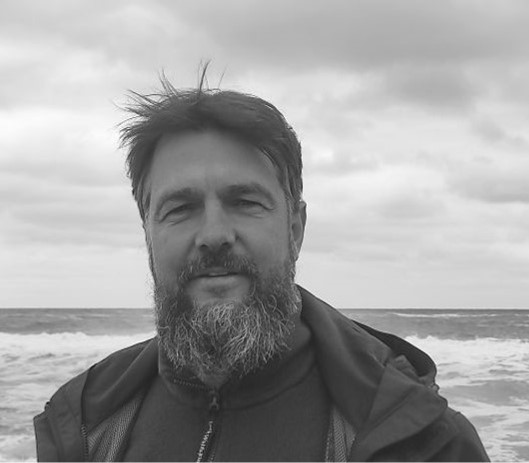 |
My research focuses on the adaptation of specific brackish bacterial species to fluctuating salinity levels by combining metagenomic community profiling with the isolation of key species. Through time-series analysis, I investigate how shallow-water microbial populations respond to shifting environmental conditions and extreme events, with a particular emphasis on interactions with macroorganisms (such as seagrass) and the dynamics of pathogenic bacteria. | |
| Dr. Daniel Herlemann | Aquatic microbiology | |
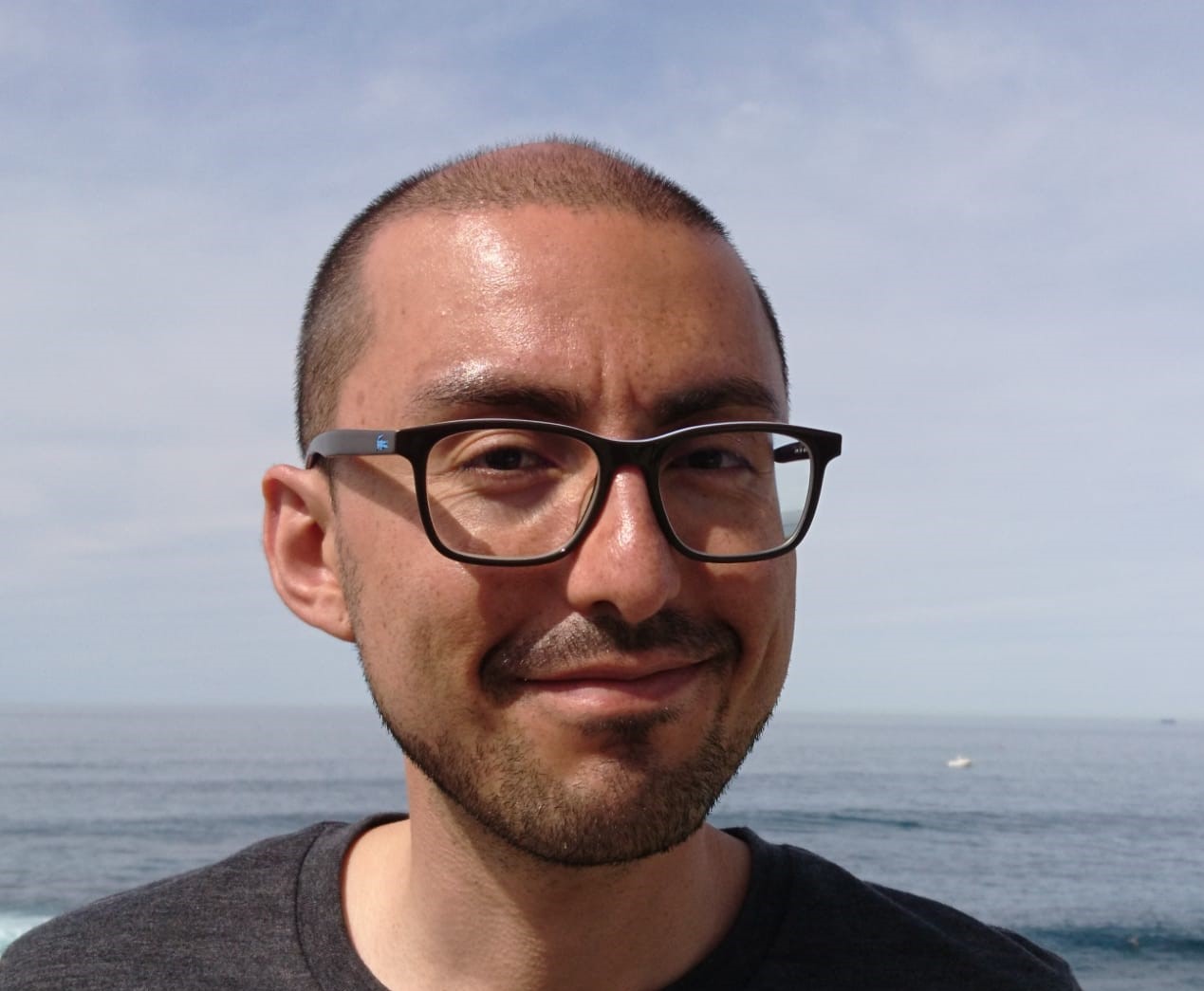 |
I investigate the biogeochemical cycling of climate-relevant trace gases such as nitrous oxide (N2O), methane (CH4), carbon dioxide (CO2) and carbon monoxide (CO). Within the S2B, I am particularly interested on the exchange fluxes of these gases across the sediment- water (ice)-air interfaces, and how their spatio-temporal variability sets the overall coastal radiative balance. | |
| Dr. Damian Leonardo Arévalo-Martínez | Chemical Oceanographer | |
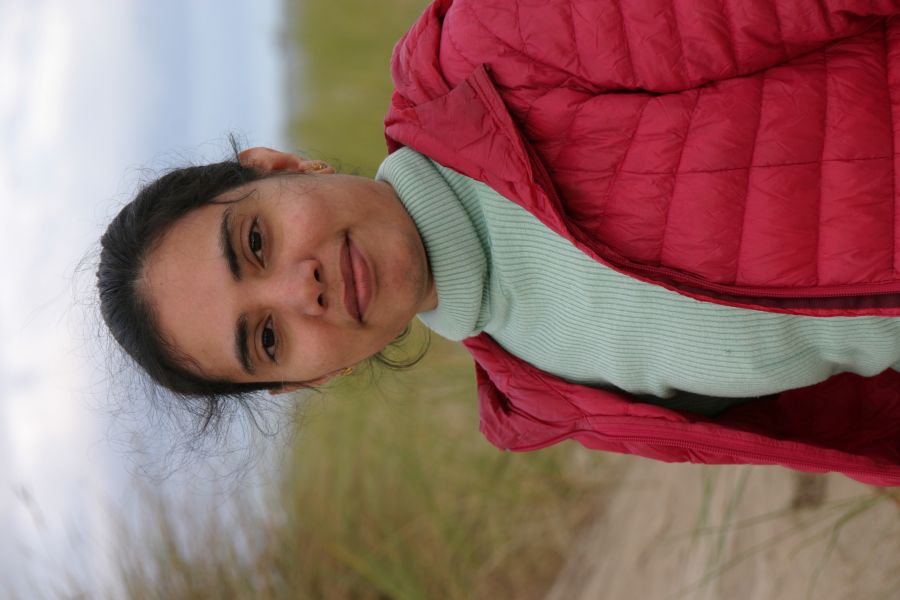 |
I am an ecosystem modeller investigating biogeochemical processes in shallow coastal waters. My research focuses on how coastal processes influence nutrient cycling, oxygen dynamics, and ecosystem functioning from coastal regions to deeper basins. Using coupled physical–biogeochemical models, I study how coastal filter processes transform, retain, and remove nitrogen and phosphorus along the land–sea continuum. | |
| Dr. Anju Mallissery | Physical Oceanographer, Numerical Modeller | |
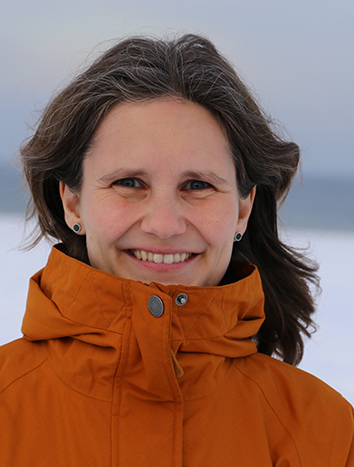 |
Phytoplankton community dynamics in shallow, coastal waters. Diversity and distribution of harmful algal species in the Baltic Sea. Establishment of an autonomous sampling device for phytoplankton, i.e. an Imaging Flow Cytobot, and development of AI-based work flows for taxonomic identification. | |
| Dr. Ingrid Sassenhagen | Marine Biologist , Phytoplankton Ecology | |
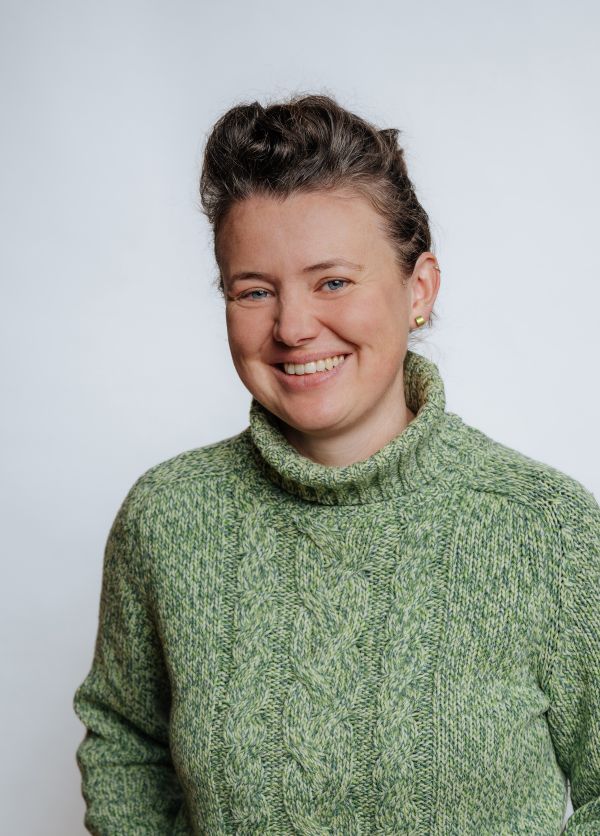 |
Applied coastal water research with a focus on assessing benefits provided by coastal ecosystems as well as impacts of human activities or measures on these ecosystems. Interested in supporting coastal and marine policy implementation by applying model results to practical research questions. | |
| Dr. Miriam von Thenen | Coastal and marine environmental researcher | |
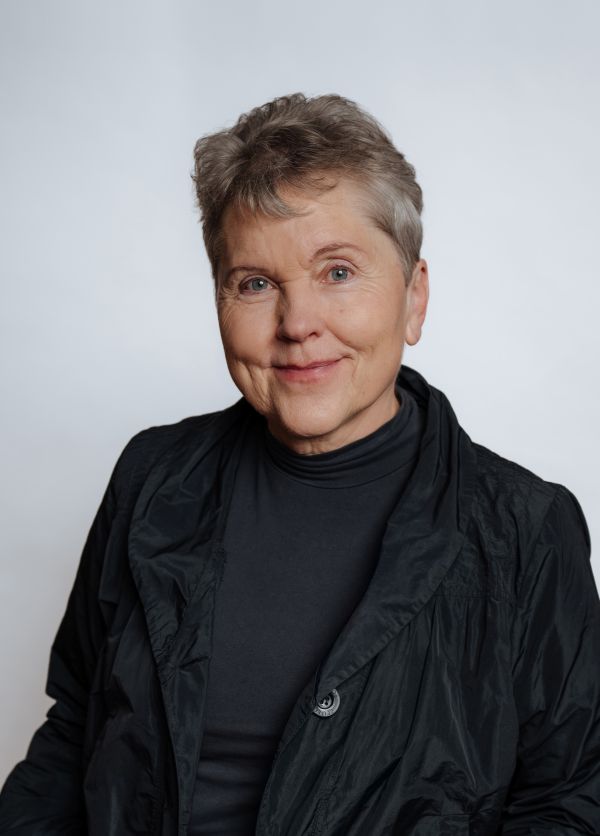 |
My research interests lie in studying the marine nitrogen cycle and other element cycles using modern methods of stable isotope biogeochemistry. The focus is on coastal turnover processes and the quantification of rates such as nitrogen fixation, denitrification, nitrate uptake, and DNRA to better understand the impact of eutrophication on coastal environments. Close collaboration with other research groups and across different research areas broadens our understanding, which is why joint field and laboratory work is conducted. In recent years, in particular, research on the so-called coastal filter has been the focus of work at Nienhagen, Rostock, and also in the waters of the Amazon estuary. | |
| Prof. Dr. Maren Voß | Marine Biogeochemist |
Engineers
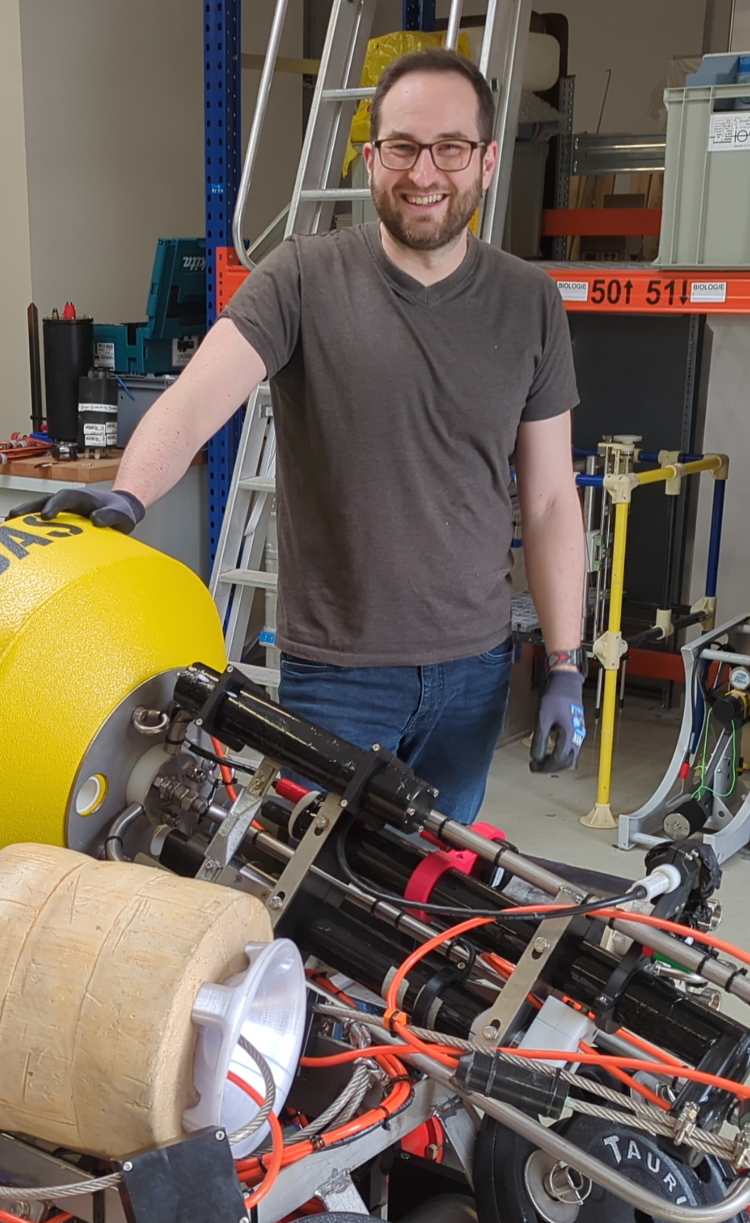 |
Design, development, and maintenance of coastal scientific time-series monitoring stations, including instrumentation, data management, communications, and long-term operational support. | |
| Bennet Krebs | Development Engineer | |
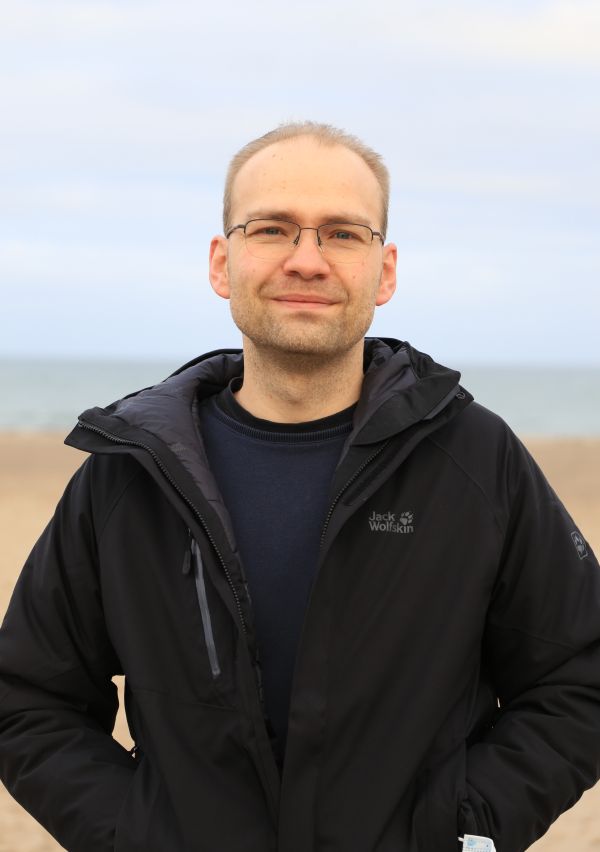 |
Design, development and implementation of technical solutions for a flexible and innovative acquisition of measurement data in shallow waters, as well as the handling and online provision of such data. | |
| Sebastian Neubert | Development Engineer | |
 ©Rövensthal ©Rövensthal |
|
|
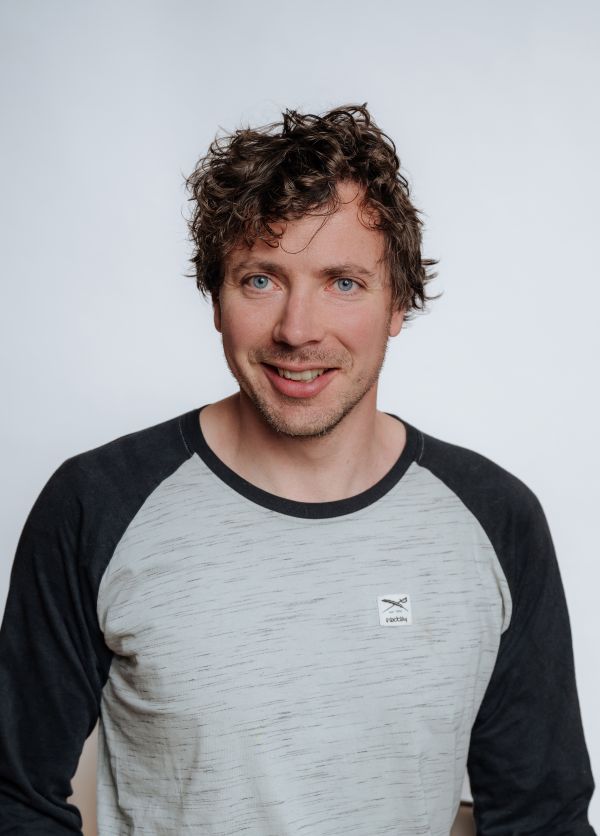
| Robert Mars | Engineer | |
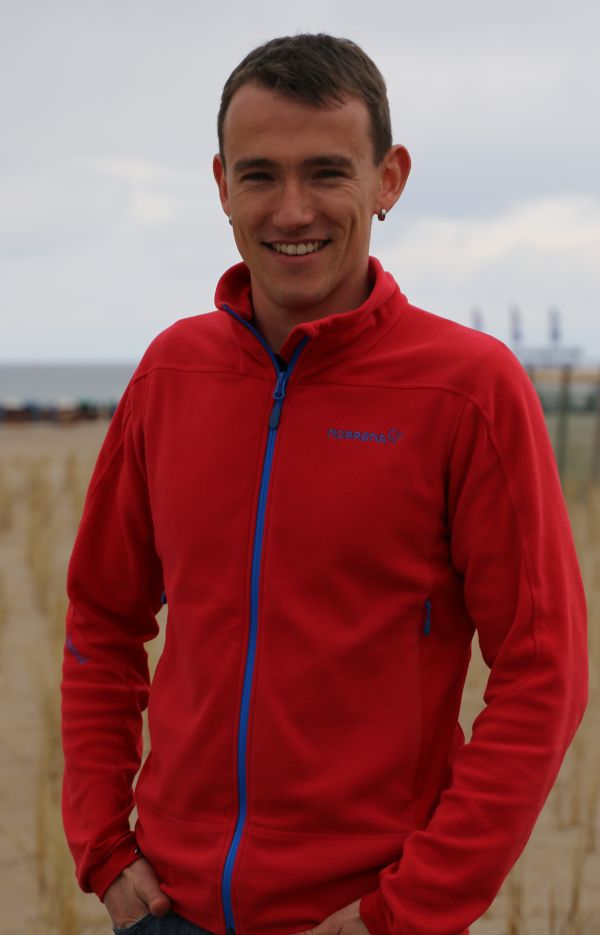 |
Electronics engineer with long term experience in marine measurement systems. Development of low power data logging systems for shallow water applications. Quality control of measurement data including sensor calibration and data validation. |
|
| Martin Sass | Development Engineer |
Technical Support
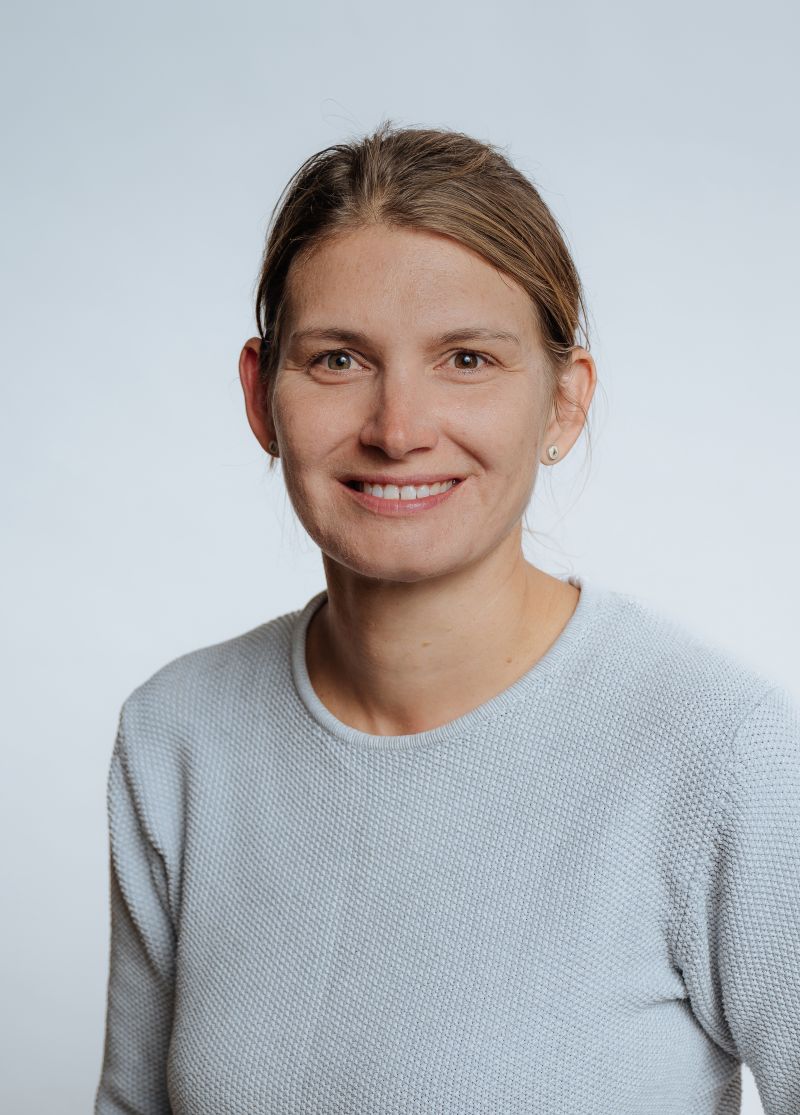 |
Technical support in lab experiments, culture maintenance, taxonomic identification and field work addressing research questions in zooplankton ecology in the Baltic Sea. |
| Sigrid Gründling-Pfaff | Technical Support |
PhD Candidates
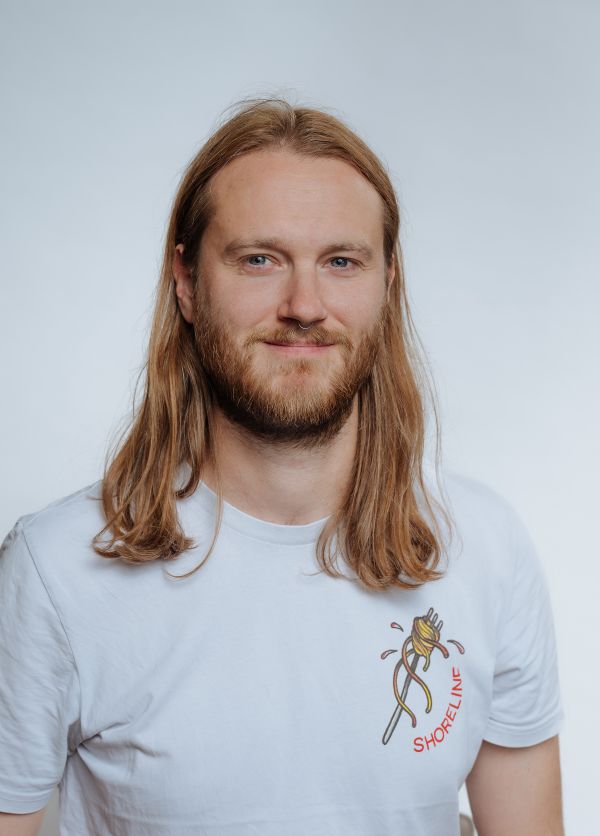 |
Optical analysis of dissolved organic matter dynamics using both lab-based and in situ methods. My focus is on compositional and concentration dynamics across different timescales and the implications of these dynamics for the photochemical fate of contaminants of emerging concern. | |
| Jann Müller | Chemical Oceanographer | |
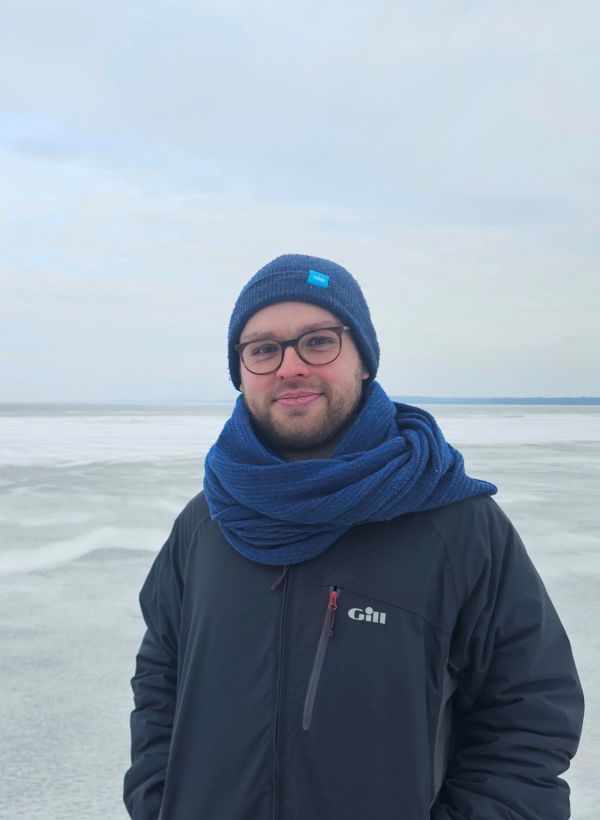 |
My research focuses on the quantification of greenhouse gases, particularly nitrous oxide, including its concentrations and fluxes across the sediment–water–air interfaces. I aim to achieve a quantitative understanding of how physical changes at the sediment–water interface influence nitrous oxide production. | |
| Marcel Sommer | Marine Chemist | |
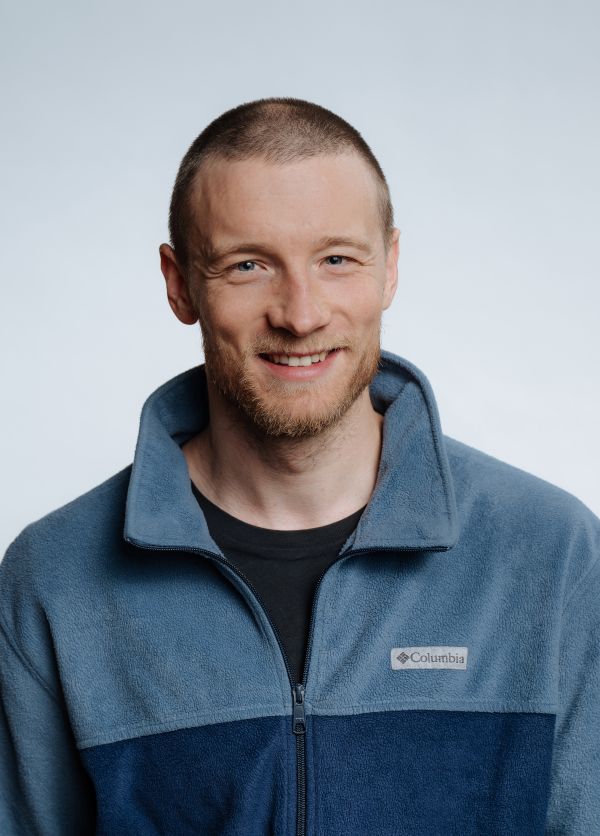 |
Investigating oxygen transport, mixing and turnover in shallow, stratified waters, with coastal areas near Rostock serving as a case study. | |
| Oliver Thiele | Physical Oceanographer |
Associated Scientists
 |
add your work | |
| Dr. Michael Naumann | Physical Oceanographer | |
 ©Rövensthal ©Rövensthal |
Concentration and composition dynamics of dissolved and particulate organic matter, especially under anthropogenic pressure. Biogeochemical C-cycling and mixing processes from the land-ocean-interface to the open ocean.
|
|
| Dr. Helena Osterholz | Marine Chemist | |
 |
Nutrient transports, Tagging methods, Eulerian-Lagrangian Modelling, Model uncertainty quantification.
|
|
| Dr. Hagen Radtke |
Marine BGC Modeller
|
|
 |
add your work | |
| Prof. Dr. Gregor Rehder | Marine Chemist | |
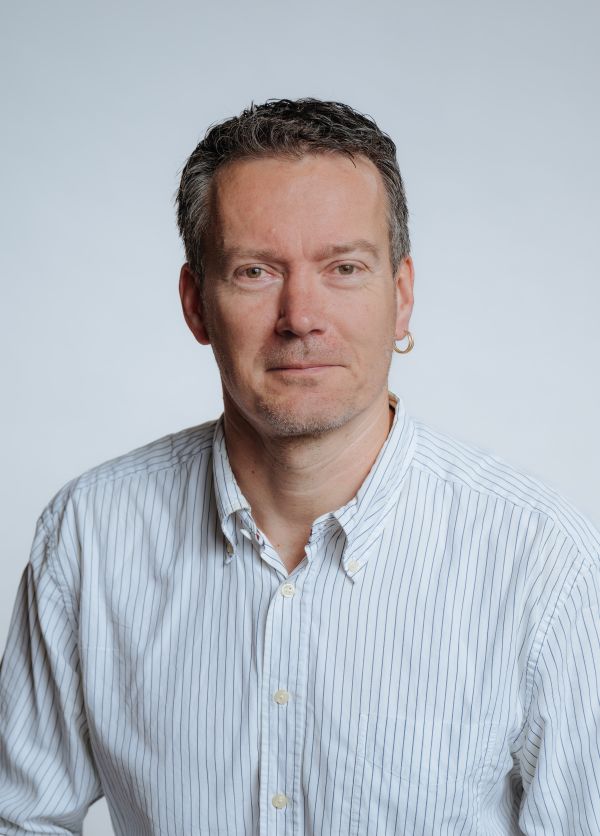 |
|
|
| Dr. Ulf Gräwe | Physical Oceanographer | |
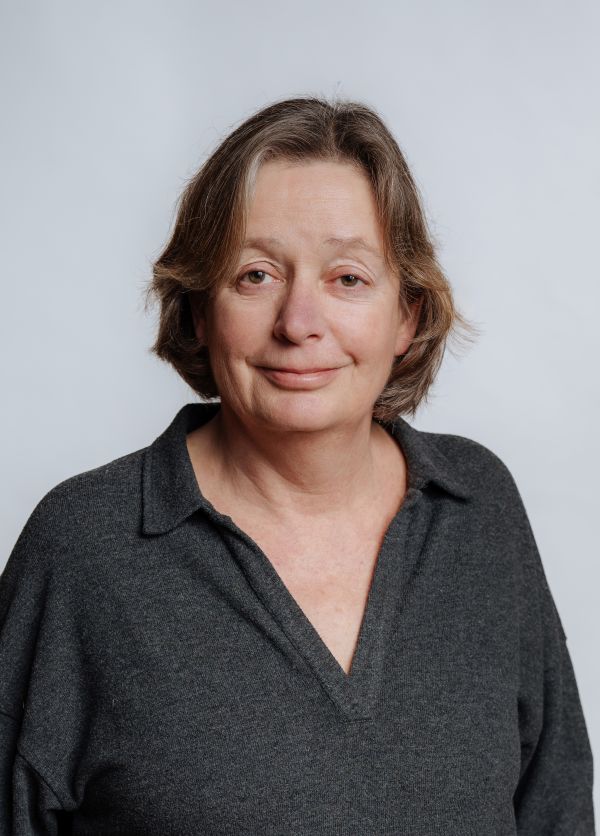 ©Rövensthal ©Rövensthal |
I study the ecophysiology of sulfide-oxidizing bacteria, especially Beggiatoaceae and magnetotactic bacteria. My work focuses on their ecological niches, behavior, and potential to limit sulfide accumulation in marine sediments. Using laboratory experiments and cultivation-based approaches, I investigate how these organisms contribute to sulfur cycling and interact with phosphorus dynamics. | |
| Prof. Dr. Heide Schulz-Vogt | Marine Biologist | |
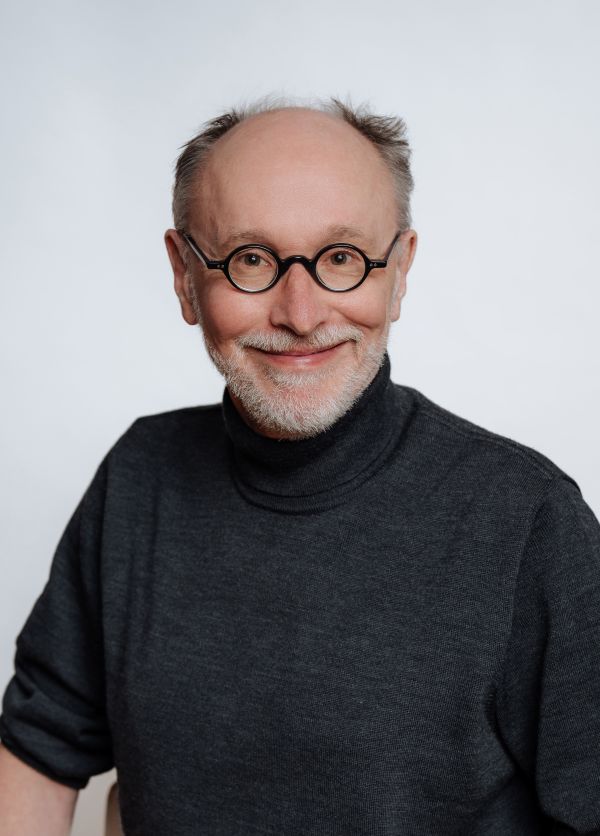 |
My research addresses the effects of climate variability on the dynamics of zooplankton and focuses particularly but not exclusively on copepods of the Baltic Sea. Using various approaches ranging from small-scale laboratory studies to the long-term monitoring of zooplankton, I aim to characterize life history patterns and to quantitatively assess how abiotic and biotic factors control the spatio-temporal variation in zooplankton. With the goal to provide a better mechanistic understanding, I address the role of bentho-pelagic coupling in the recruitment of copepods and of physiological adaptations to explain distribution patterns and population dynamics across the land-ocean interface. |
|
| Dr. Jörg Dutz | Marine Biologist | |
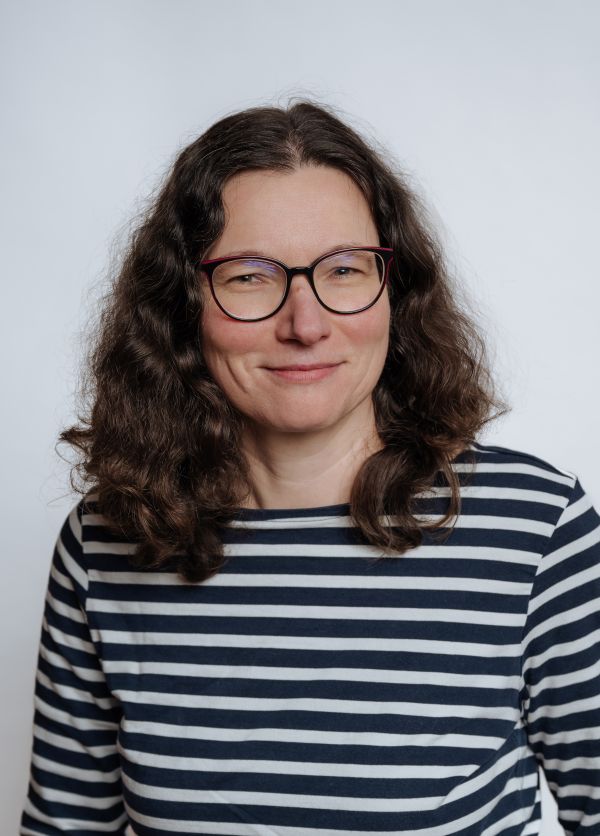 ©Rövensthal ©Rövensthal |
Method development for and analaysis of organic trace substances in aquatic systems using chromatographic-mass spectrometric analytical methods with focus on legacy and emerging contaminants. | |
| Dr. Marion Kanwischer | Coastal & marine environmental researcher, organochemical analysis | |
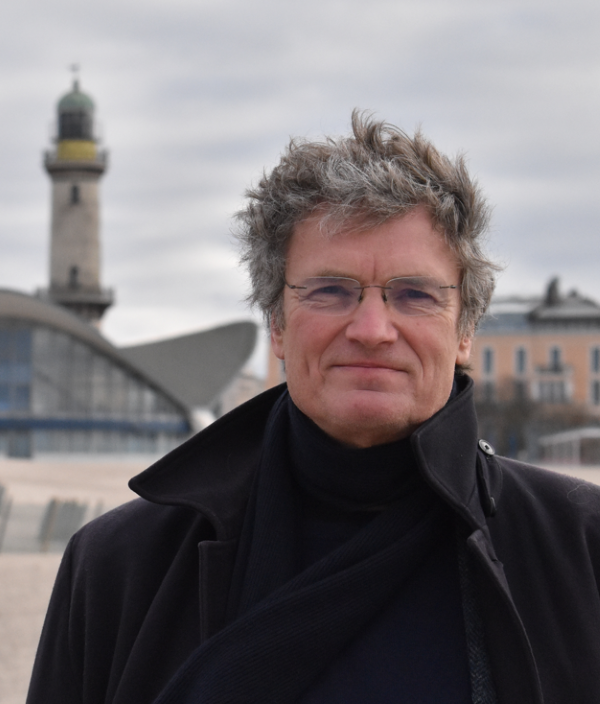 |
Estuarine and coastal ocean processes with focus on mixing and exchange flow in estuaries. Development of coastal ocean models including turbulence closures and accurate numerical schemes. Studies of water mass transformations and sediment transport.
|
|
| Prof. Dr. Hans Burchard | Physical Oceanographer |